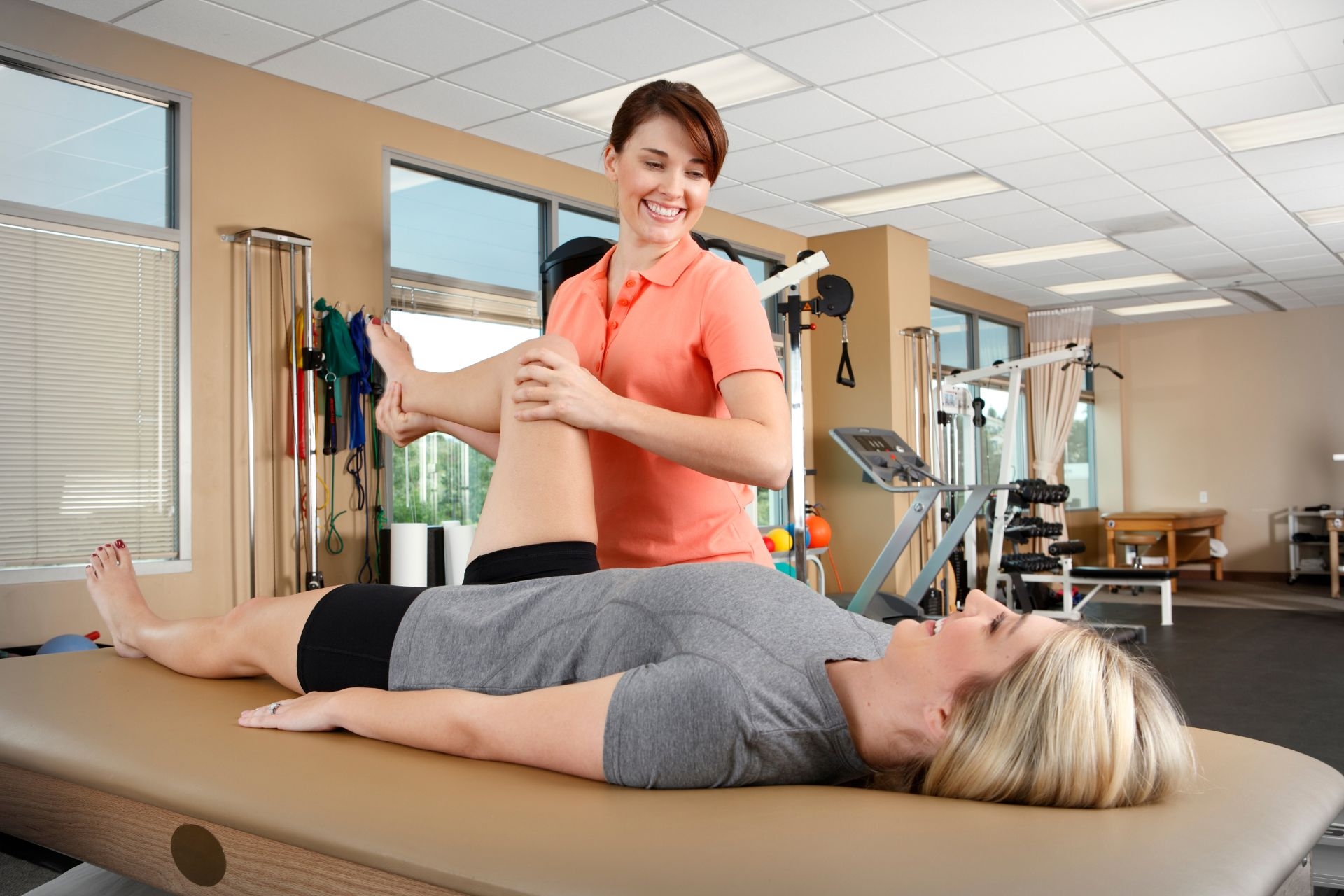
Some common postural issues that people experience include rounded shoulders, forward head posture, slouching, and an excessive curve in the lower back. Rounded shoulders occur when the shoulders roll forward, causing the upper back to hunch. Forward head posture is when the head juts forward, putting strain on the neck and upper back. Slouching refers to a rounded or hunched back, often seen when sitting or standing for long periods. An excessive curve in the lower back, known as lordosis, can lead to lower back pain and discomfort.
Poor posture can have a significant impact on a person's overall health and well-being. It can lead to muscle imbalances, joint dysfunction, and increased stress on the spine. Over time, this can result in chronic pain, decreased mobility, and reduced quality of life. Additionally, poor posture can affect breathing and digestion, as it can compress the organs and restrict proper function. It can also impact mood and self-confidence, as slouching or hunching can make a person appear less confident and approachable.
Volume, frequency, and load all factor into a successful resistance training program. Many personal training clients ask how often they should work out, how intensely,… The post What Is the Optimal Training Volume and Intensity for Strength Gains? Is More Actually Less? appeared first on National Federation of Professional Trainers.
Posted by on 2024-02-22
As we step into 2024, the fitness industry landscape continues to evolve, and with it comes the question: How much are personal trainers making in… The post How Much Do Personal Trainers Make? A Breakdown of Recent Industry Reports and Trends appeared first on National Federation of Professional Trainers.

Posted by on 2024-02-12
Meet Stacey Mercure, a passionate fitness enthusiast with a remarkable journey spanning 21 years as a dedicated NFPT trainer. At the age of 53, she… The post Stacey Mercure–NFPT Personal Trainer Spotlight appeared first on National Federation of Professional Trainers.

Posted by on 2024-01-28
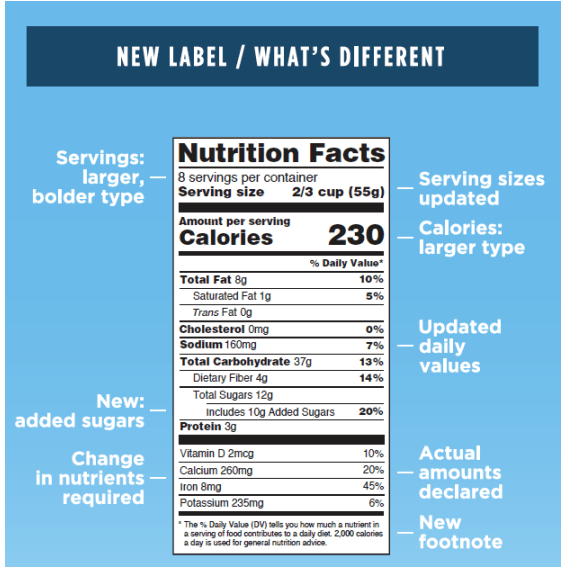
Nutrition plays a pivotal role in achieving fitness goals, and understanding how to read a nutrition facts panel is a crucial skill for anyone on… The post Reading Nutrition Labels: Guiding Personal Training Clients Through Recent Changes appeared first on National Federation of Professional Trainers.
Posted by on 2024-01-23
There are several exercises and stretches that can help improve posture. Strengthening exercises for the back, such as rows and reverse flys, can help correct rounded shoulders and improve posture. Stretching exercises, such as chest stretches and neck stretches, can help alleviate tension and improve flexibility in the upper body. Core exercises, such as planks and bridges, can also help strengthen the muscles that support good posture. Additionally, practicing yoga or Pilates can be beneficial for improving posture, as these exercises focus on alignment and body awareness.

There are several ergonomic products and tools that can assist with maintaining good posture. Ergonomic chairs with lumbar support and adjustable height can help promote proper alignment while sitting. Ergonomic keyboards and mouse pads can help reduce strain on the wrists and hands. Standing desks or adjustable desk converters can allow for a more dynamic work environment, encouraging movement and better posture. Additionally, posture correctors or braces can provide support and remind individuals to maintain good posture throughout the day.
Yes, postural correction methods can help alleviate back or neck pain. By addressing the underlying postural issues, such as rounded shoulders or forward head posture, the strain on the muscles and joints can be reduced. Strengthening the muscles that support good posture can help alleviate pain and improve overall spinal alignment. Additionally, stretching tight muscles and improving flexibility can help relieve tension and discomfort. It is important to consult with a healthcare professional or physical therapist for a personalized approach to postural correction and pain management.
There are several techniques and strategies for improving posture while sitting at a desk. First, it is important to have an ergonomic setup, with a chair that provides proper support and a desk at the appropriate height. Sitting with the feet flat on the floor and the knees at a 90-degree angle can help maintain good posture. It is also important to take regular breaks to stand, stretch, and move around. Engaging the core muscles and sitting up straight with the shoulders back can help promote proper alignment. Using a lumbar roll or cushion for lower back support can also be beneficial.
The time it takes to see improvements in posture with consistent practice of postural correction methods can vary depending on the individual and the severity of the postural issues. Some people may start to notice improvements within a few weeks of consistent practice, while others may take several months. It is important to be patient and consistent with the exercises, stretches, and techniques for postural correction. It is also helpful to seek guidance from a healthcare professional or physical therapist who can provide personalized recommendations and monitor progress. Regular practice and awareness of posture throughout daily activities can lead to long-term improvements in posture and overall well-being.
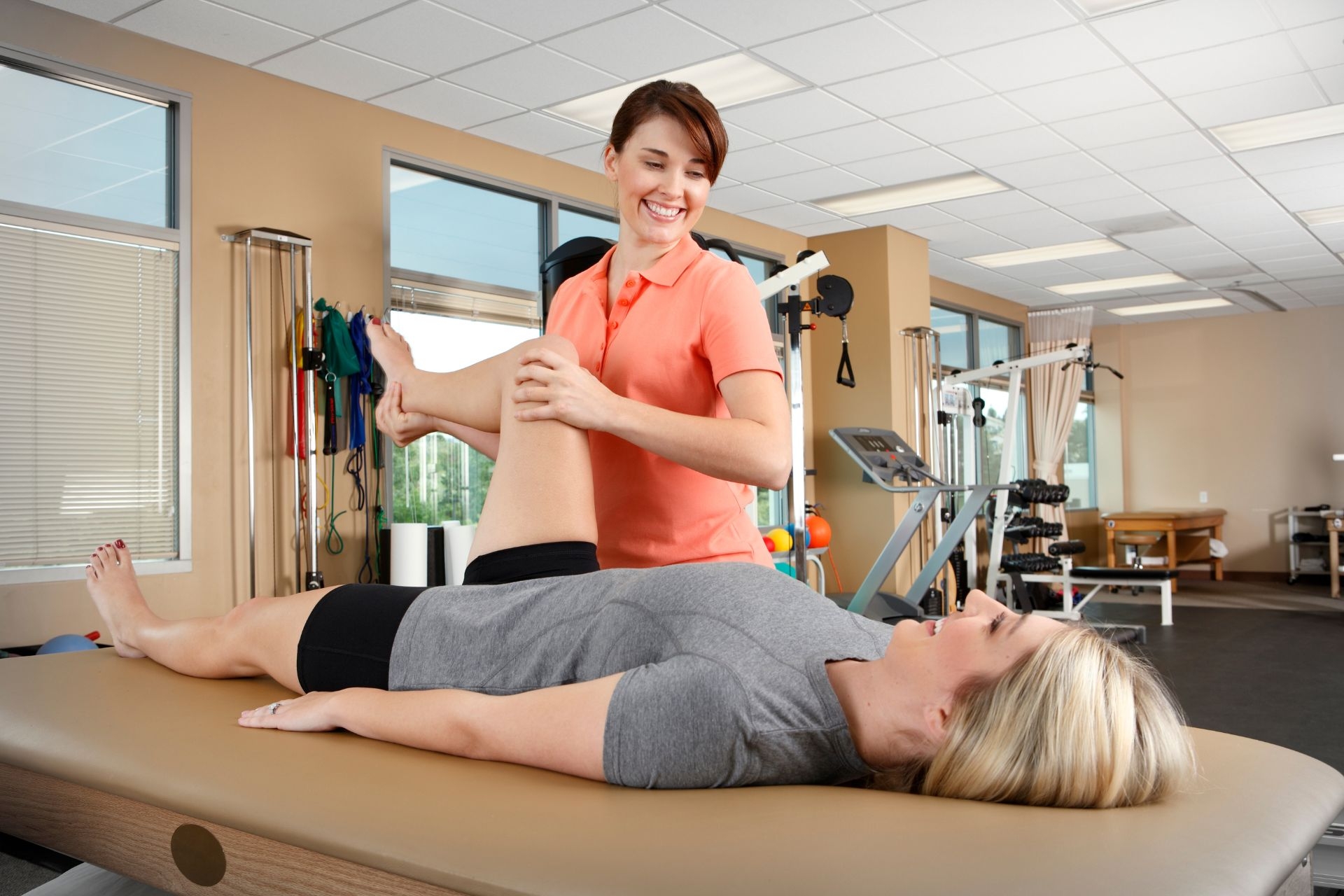
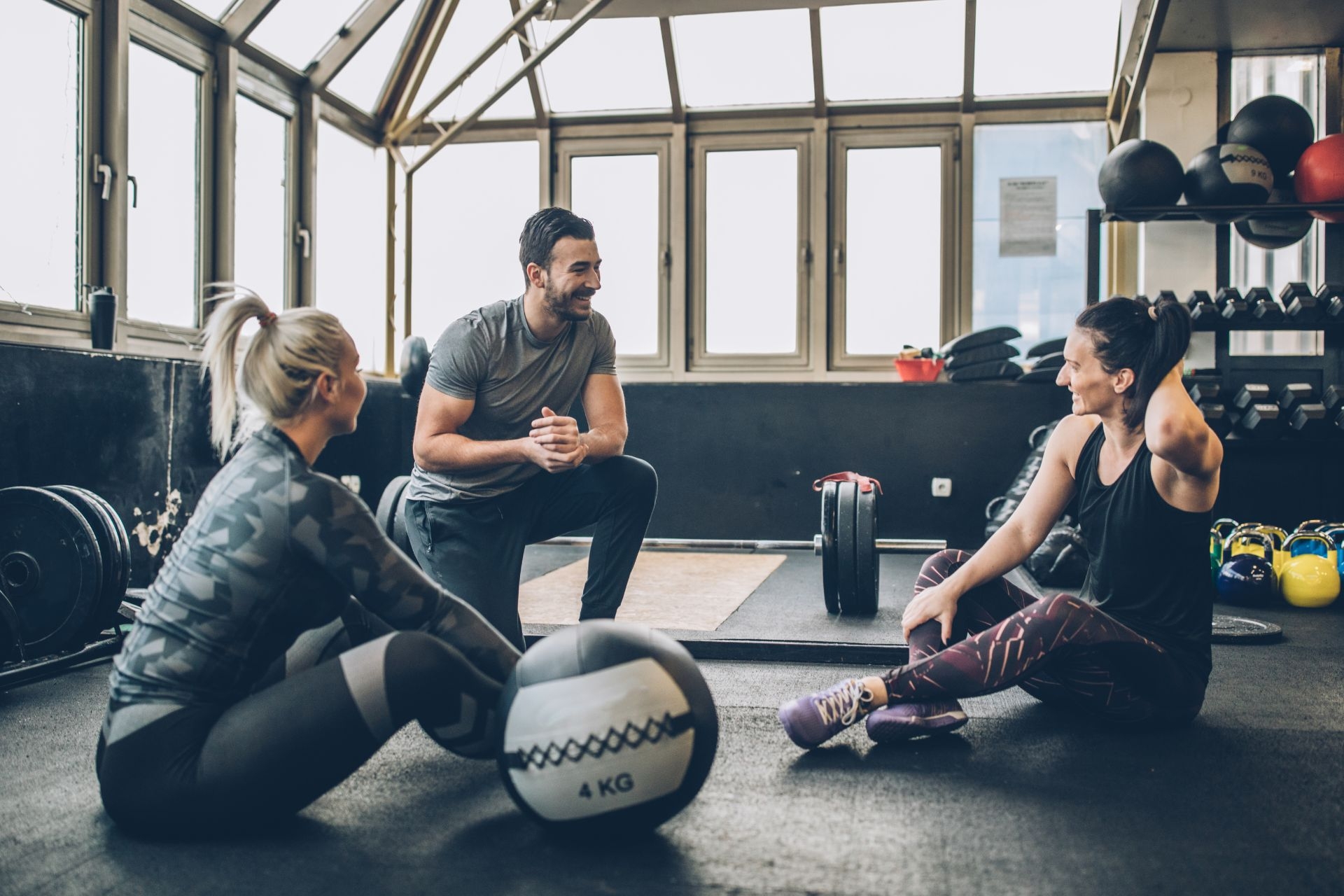
Personal training offers numerous benefits for individuals seeking muscle gain. A personal trainer provides expert guidance and knowledge on effective exercises, proper form, and appropriate intensity levels to maximize muscle growth. They can create personalized workout plans tailored to the individual's specific goals and needs, incorporating a variety of exercises targeting different muscle groups. Additionally, personal trainers can offer nutritional advice and help individuals develop a balanced diet that supports muscle growth. They also provide motivation and accountability, pushing individuals to challenge themselves and stay consistent with their workouts. With their expertise and support, personal trainers can help individuals optimize their muscle gain and achieve their desired results more efficiently and effectively.
Personal training offers several benefits for individuals with high blood pressure or cholesterol. Firstly, a personal trainer can design a customized exercise program that focuses on cardiovascular health and helps to lower blood pressure and cholesterol levels. This may include aerobic exercises such as jogging, cycling, or swimming, which have been shown to improve heart health and reduce cholesterol. Additionally, a personal trainer can provide guidance on proper nutrition and diet, which is crucial for managing high blood pressure and cholesterol. They can educate individuals on the importance of consuming a balanced diet rich in fruits, vegetables, whole grains, and lean proteins, while limiting saturated and trans fats. Moreover, personal trainers can monitor and track progress, providing motivation and accountability to ensure individuals stay on track with their fitness and health goals. Overall, personal training can be a valuable tool in managing high blood pressure and cholesterol, promoting overall wellness and reducing the risk of cardiovascular diseases.
Yes, personal training can indeed be tailored for individuals working night shifts. Many personal trainers understand the unique challenges faced by individuals who work during the night and are experienced in creating customized fitness programs to accommodate their schedules. These programs may include exercises that promote energy and alertness during the night, as well as strategies to optimize sleep and recovery during the day. Additionally, personal trainers may provide guidance on nutrition and meal planning to support the specific dietary needs of night shift workers. By considering the specific needs and constraints of individuals working night shifts, personal trainers can design effective and personalized fitness plans to help them achieve their health and fitness goals.
Personal training is highly beneficial for individuals with specific body composition goals. A personal trainer, equipped with extensive knowledge and expertise in exercise science, can design a tailored workout program that focuses on the individual's specific needs and goals. They can provide guidance on proper form and technique, ensuring that the individual is performing exercises correctly and effectively. Additionally, personal trainers can create a personalized nutrition plan that aligns with the individual's body composition goals, taking into account factors such as macronutrient ratios, caloric intake, and meal timing. They can also track progress and make necessary adjustments to the training and nutrition plan to optimize results. With their support and motivation, personal trainers can help individuals stay accountable and committed to their body composition goals, ultimately leading to successful and sustainable transformations.
Yes, there are specialized programs available for individuals with eating disorders. These programs are designed to provide comprehensive and targeted treatment for individuals struggling with anorexia nervosa, bulimia nervosa, binge eating disorder, and other related conditions. These programs typically offer a multidisciplinary approach, involving a team of professionals such as psychologists, psychiatrists, dietitians, and therapists who specialize in eating disorders. The treatment may include individual therapy, group therapy, nutritional counseling, medical monitoring, and medication management, depending on the individual's specific needs. These programs aim to address the underlying psychological, emotional, and behavioral factors contributing to the eating disorder, while also providing support and guidance for long-term recovery.